Shift handover
Nobody writes the handover. The shift already did.
When a technician comes back, Norlan shows what changed on the equipment they work on: which incidents are still open and what the last person tried, what was closed, and what the preventive round found. Every line opens the thread it came from, with its photos and its voice notes.
Night shift · Berlin
22:00 → 06:00 · clocked off 06:04


T. Walker, M. Solans, R. Ortega
handed over three machines
MD-3000· T. Walker04:05
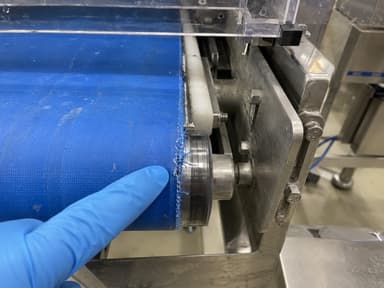
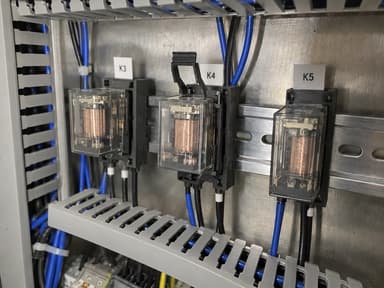
Closed the false rejects after the format change: belt re-tensioned, K4 reseated. Kept the relay step as a field note.
CW-500· M. Solans02:14
Still open. Reading drifts at start-up; sensor ruled out, seal kit due at 08:00.
FW-700· R. Ortega05:40
Quarterly round done. Belt tension below range on step 4, flagged for the Thursday stop.
For the day shift
Start with the CW-500: the reading still drifts at start-up and the seal kit arrives at 08:00. The MD-3000 has run clean since 04:05. The FW-700 belt holds until the Thursday stop.
Written from the shift's three threads. Nobody typed a report.
Coming back
The summary is there when they open Norlan
Not a message somebody remembered to send to the right group at the right moment. Norlan works out what changed on that person's equipment since they left, writes one line per change from the threads themselves, and waits. A technician back from four days off reads it in the time it takes to walk to the line.
- Scoped to the equipment that person actually works on
- One line per change, written from the thread and linked to it
- The window is the time they were away, not a fixed report hour
- Nothing to acknowledge, nothing to file, nothing to chase
Shift change · Berlin
Posted 06:04 · read by the day shift
Norlan · what happened overnight
Three threads moved. The CW-500 is still open: the reading drifts at start-up, the sensor is ruled out and the seal kit is due at 08:00. The MD-3000 closed at 04:05 once the belt was re-tensioned and K4 reseated. The FW-700 round found the belt below range; it holds until the Thursday stop.
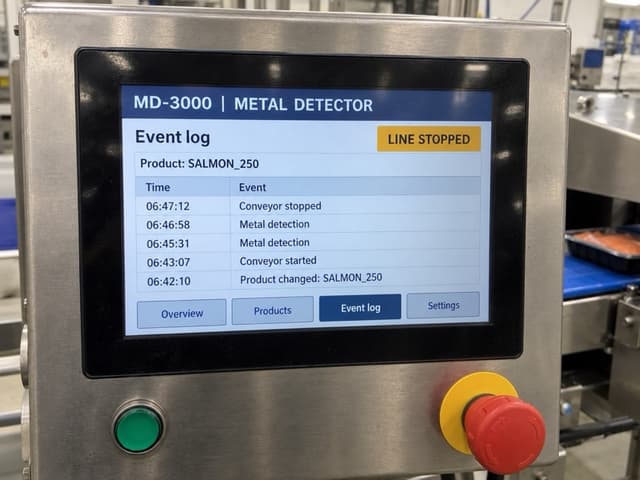
CW-500
M. Solans · 02:14
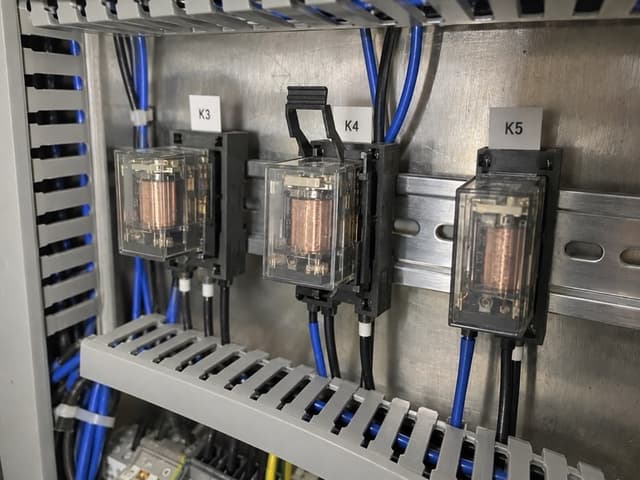
MD-3000
T. Walker · 04:05
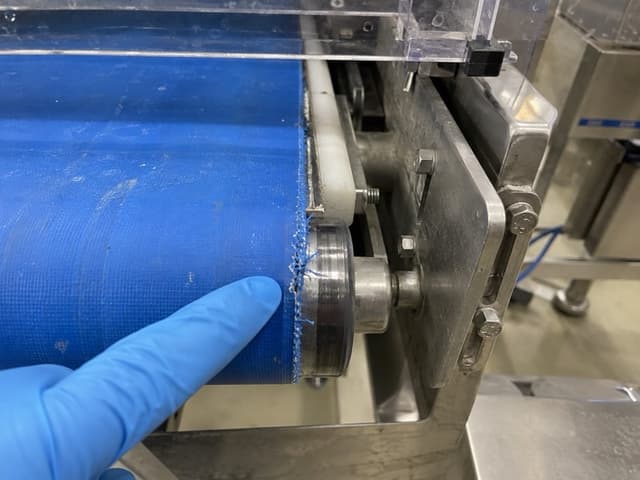
FW-700
R. Ortega · 05:40
Each photo opens the thread it was taken in.2 open · 1 closed
The incident that is still open
A handover about an open fault is the fault's own thread
What the oncoming shift needs is rarely a summary: it is the symptom as it appeared, the photo of the panel, the two things already ruled out, and the last word before the shift ended. That is what the thread holds, so the person picking it up starts where the last one stopped rather than from a line in a logbook.
- Symptoms, photos and voice notes as they were captured
- What was already tried and discarded, with who tried it
- The manufacturer's answer too, when their engineer was in the thread
- Closing still asks for problem, root cause and solution
False rejects after a format change
Metal detector MD-3000 · Berlin
Incident · 29 Jul
M. Solans · Maintenance · 06:48
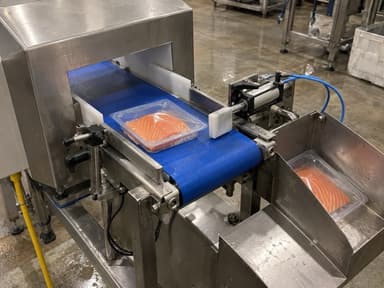
T. Walker · Maintenance · 07:02
T. Walker · Maintenance · 08:26
Transcript · @Norlan I am standing in front of the MD-3000. Static weighing is spot on, but it drifts as soon as the line runs. What has been done here before?
Norlan · 08:27
On this model the belt slackens after a format change and the fault comes back within the hour if the K4 relay is not reseated. Munich hit the same thing in March; recalibrating without re-tensioning did not hold.
Manual · p. 42Munich · March
Months later
The best handover ever given stops being a story one person heard
A handover that lives on the machine does not expire with the shift. When the same fault appears at three in the morning on a crew that was not there, the assistant cites that night: what was seen, what was tried, what worked, with the name of whoever found it.
- Searchable across every thread in the plant
- Cited by the assistant when the same symptom comes back
- Reaches the other units of the same model, in any of the group's sites
Similar · before anyone answers
Solved on S1-PK-L1-0051 · 3 weeks ago · Berlin
Belt slack after the format change; re-tensioned, K4 checked. Verified on machine.
Guide v1 availableOpen the thread
Where the line is today
Norlan does not read the roster.
Some tools take the shift pattern, work out who is on next and push the handover to their phones by role. Norlan does not: the summary is waiting for each person when they open the app, scoped to their equipment, and the threads are there for anyone with access to that asset whether or not they were on shift.
It is the honest difference, and worth knowing before a demo. If a plant runs on crews and roles and needs the handover delivered that way, it is worth saying on the call: we will say exactly where that stands rather than nod along.
Questions about shift handover
Does somebody have to write a handover at the end of the shift?
Does Norlan read our shift pattern or our roster?
What happens with an incident that crosses three shifts?
Our handover is a meeting. Does this replace it?
Do our technicians have to document more than they do today?
Book a demo
Bring a shift change that went badly. We will show what the next crew would have seen.
We start with the operation — which failures repeat, who gets called when something breaks, what the CMMS does not hold — and then show how Norlan would work on it.
What we usually cover
- How an incident flows today, from detection to fix
- Where the conversation actually happens: the systems, or calls and WhatsApp
- What takes longer — the diagnosis, or getting the right people and information together
- How much of what a technician knows is written down, and what happens when they are away
- Which tools are really in play: CMMS, ERP, mobile, paper
- What a pilot would measure, and how
Pick a time that suits the plant. Bring one failure that keeps coming back.
The call is with the people who build the product, with no qualification call first. Norlan is pre-general-availability and shaped with maintenance teams in pharma and food processing.