Machine threads
One thread per machine. One list for the whole plant.
Every incident and every preventive maintenance job happens in a thread that belongs to the machine it is about. It works like the group chat the plant already runs on, except it belongs to the asset and it is still there in two years.
All activity
LocationModelPeopleTypeDate
False rejects after a format change
09:41MD-3000 · Berlin
T. Walker: Re-tensioned and checked K4. Twenty packs clean.

Unstable reading at start-up
08:12CW-500 · Berlin
M. Solans: It settles after ten minutes, but the first pallet goes out unchecked.

Preventive round · quarterly
YesterdayFW-700 · Munich
R. Ortega: Belt tension below range on step 4.

Seal temperature after the film change
MonFW-700 · Berlin
N. Bermúdez: Saved on the model as the setting for the 45µ film.
One list for the whole plant, and the same feed on each machine's own record.
What maintenance teams get out of Norlan.
+26 %
Productivity improvement
40 %
Faster onboarding for new employees
x7
Increase in technical content
People and AI, in the same thread
Technicians and Norlan solve it together. Everything they work out stays.
Technicians already sort things out over WhatsApp. Rather than ask them to work somewhere else, every incident gets its own chat: anyone given access can take part, and Norlan is in there with them.
No more group chats. No more knowledge sitting in an app the plant does not control, or walking out with somebody's phone. One place that keeps what was worked out, with every photo, video and voice note the intervention came with.
False rejects after a format change
Metal detector MD-3000 · Berlin
Incident · 29 Jul
M. Solans · Maintenance · 06:48
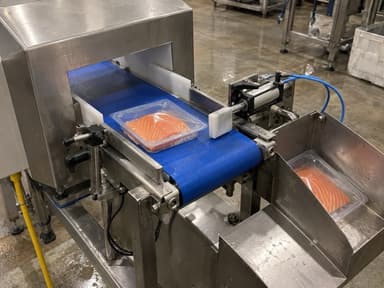
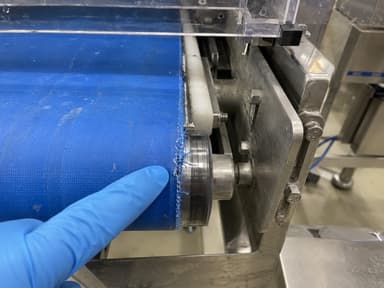
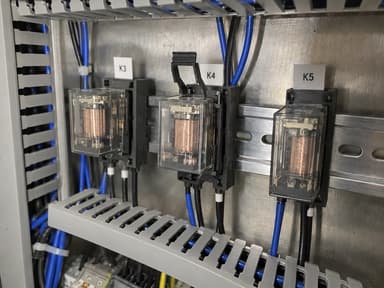
T. Walker · Maintenance · 07:02
T. Walker · Maintenance · 08:26
Transcript · @Norlan I am standing in front of the MD-3000. Static weighing is spot on, but it drifts as soon as the line runs. What has been done here before?
Norlan · 08:27
On this model the belt slackens after a format change and the fault comes back within the hour if the K4 relay is not reseated. Munich hit the same thing in March; recalibrating without re-tensioning did not hold.
Manual · p. 42Munich · March
What it leaves behind
The field note that outlives the incident
When a thread closes, if the technician contributed something worth reusing — a check the manual does not mention, an order the steps have to follow, a part that works loose on this model — Norlan keeps it as a field note and attaches it to the asset and to its model. Six months later, that note is what the assistant is citing when it tells somebody an earlier intervention solved this.
- Extracted at closure, from what was actually said
- Attached to the machine and to every unit of its model
- Attributed to the technician who found it
Field note, kept from the closure
Metal detector MD-3000 · applies to 8 units
After a format change, check belt tension before touching the calibration. The K4 relay works loose on this model and the fault comes back within the hour if it is not reseated.
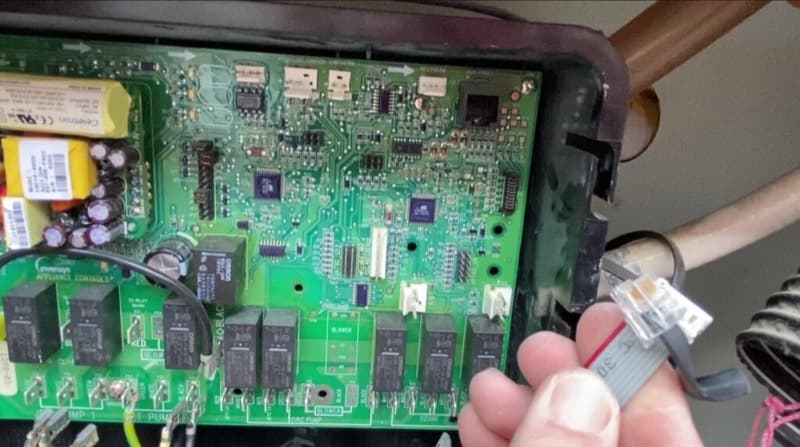
Recorded in one language. Read by each technician in their own.
When the machine needs its manufacturer
The manufacturer helps from their desk, and arrives already briefed
Every plant has faults that end in a call to the manufacturer. From the same box the technician writes to their service instead, and their engineer reads that thread and only that thread: the photos, the readings, and everything the team has already ruled out. Most of the time that is enough. When it is not, they travel with the whole intervention behind them rather than a line on a work order — and if the plant wants them to, they carry on contributing to that machine afterwards.
- Admitted to the one thread opened to them, and to nothing else in the plant
- Write to their service without leaving the thread
- They start from what the team already tried and discarded
- A visit begins at the incident, not at a description of it
- Their answer stays in the plant's record, and they keep contributing if allowed
Unstable reading at start-up
Checkweigher CW-500 · Berlin
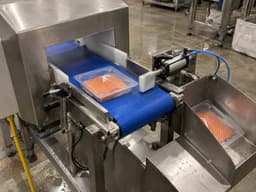
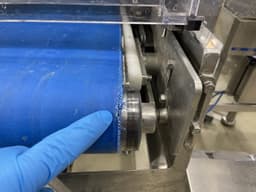
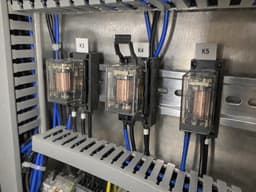
Invite to this thread
External guests can only see the details of this thread, nothing else in the plant.
 Bühler GroupK. Renner — assigned to this machine
- ActemiumL. Gruber — external maintenance service
- BilfingerA. Fossati — external maintenance service
- IshidaT. Nakamura
- MultivacC. Whitaker
Closing it
Closing asks what it was, and it is the only moment that does
An incident is not closed by changing a status. Closing writes three things — the problem as it appeared, the root cause, and the solution that held — plus who verified it on the machine. Norlan proposes all three from what was said in the thread, so confirming them takes a tap rather than a form. The CMMS still gets its hours.
- Problem, root cause and solution, proposed from the thread
- Dictated in a hurry and tidied by the AI: the slip corrected, the rest filled in from the thread
- Verified on the machine, by a named person
- Never closed automatically: somebody says it works
False rejects after a format change
Metal detector MD-3000 · Berlin
T. Walker · Maintenance
“So it was the belt, erm… it went slack after the format change. Re-tensioned it and checked the K5 was seated — no, sorry, the K4. Ran twenty packs, none rejected.”
Norlan proposes the closure from the thread
- Problem
- False rejects on good packs after every format change: the detector rejects roughly one in forty within the first hour, then settles.
- Cause
- The belt slackens when the format changes and the K4 relay works loose with the vibration, so the reading drifts until it is reseated.
- Solution
- Re-tension the belt to 45 N, reseat the K4 relay and run twenty packs before calibrating. The relay step is not in the manual: it only shows up after a format change on this unit.
Photos, video and voice
Everything technicians capture stays with the machine. And with every machine like it.
The photo of the panel. The ten seconds of a noise. The voice note dictated with gloves on. It lands on the machine as it is taken, and nobody has to file anything.
The model
Metal detector MD-3000
Unit 1
Berlin
- 9 threads
- 12 pictures
- 1 video
- 4 field notes
Unit 4
Berlin
- 6 threads
- 7 pictures
- 2 videos
- 3 field notes
Unit 6
Munich
- 8 threads
- 9 pictures
- 1 video
- 5 field notes
+ 5
more units
- 22 threads
- 35 pictures
- 4 videos
- 7 field notes
Technicians open one gallery and get the whole history of the model's threads: every photo, every video, every voice note, whichever machine it was taken on. Captured once, in the middle of the work, and never lost again.
Metal detector MD-3000
8 units · Berlin and Munich
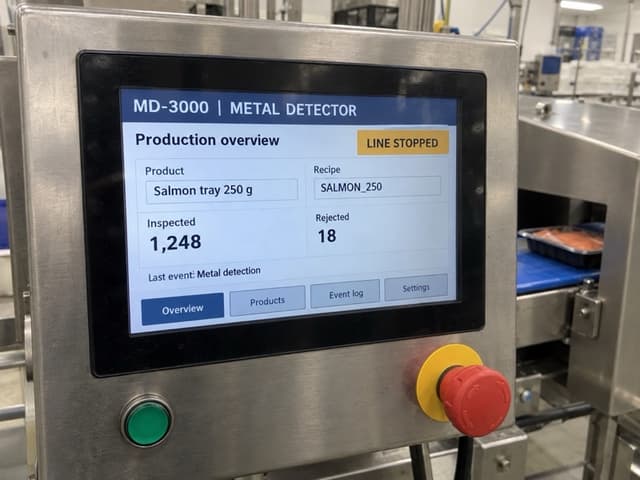
False rejects after a format change
Unit 1 · Berlin29 Jul
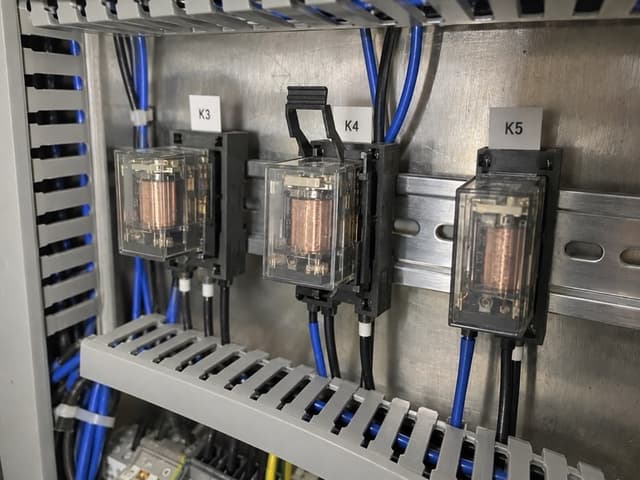
False rejects after a format change
Unit 1 · Berlin29 Jul
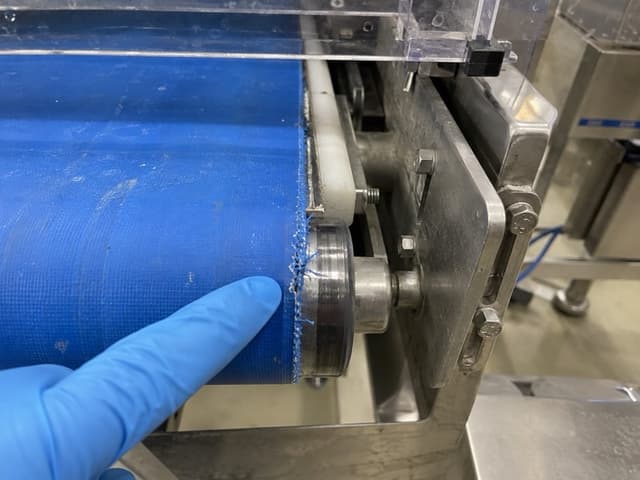
False rejects after a format change
Unit 1 · Berlin29 Jul
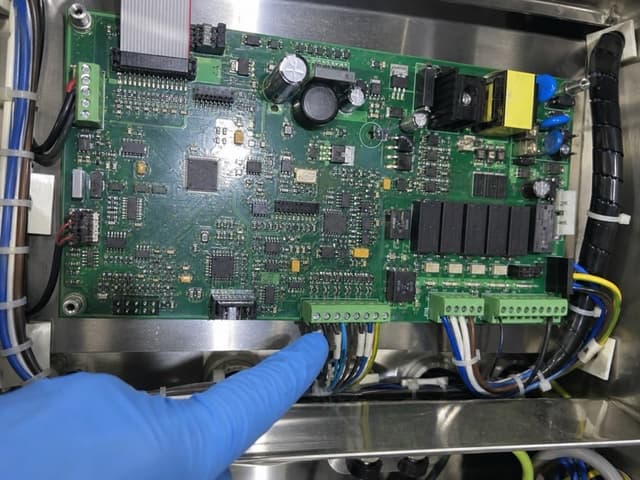
False rejects after a format change
Unit 1 · Berlin29 Jul
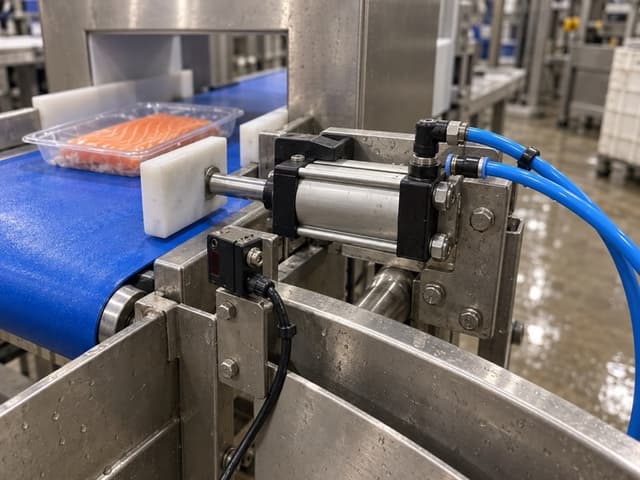
Reject arm out of time with the belt
Unit 4 · Berlin21 May
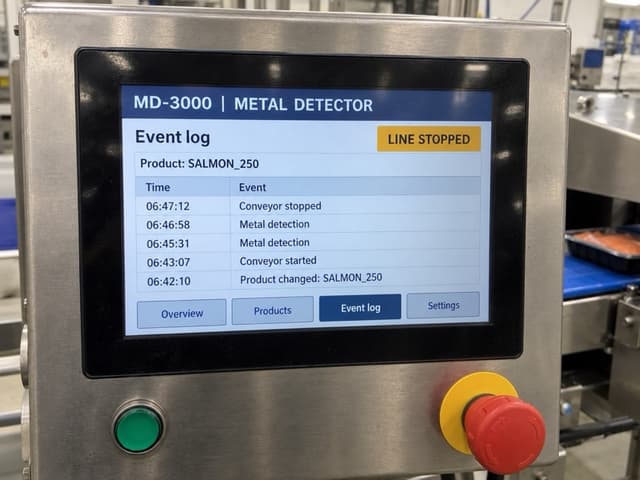
Event log after the second stop
Unit 4 · Berlin2 May
Also in the thread
Shift handover, MTTR per asset and search across every thread.
Search across every thread in the plant
Location, model, people, type and status, date. Plus free text, on any piece of equipment in the plant. The question “has this happened before?” stops depending on who is asked.
Shift handover
What changed on a technician's equipment while they were away, drawn from the shift's own activity instead of from what the person leaving remembers to mention.
Unplanned downtime and MTTR per asset
Opened, closed, verified. The dates are already in the thread, so the numbers come out of the work rather than out of a form somebody fills in afterwards.
Questions about machine threads
Does Norlan replace our CMMS?
Is this not one more chat our team has to keep up with?
Our incidents are solved in hours, not days. Does a thread still make sense?
Can I send a private message to one person?
Who can see a machine's thread?
Do our technicians have to document more than they do today?
Book a demo
A 30-minute walkthrough built around the plant's machines, not a canned demo.
We start with the operation — which failures repeat, who gets called when something breaks, what the CMMS does not hold — and then show how Norlan would work on it.
What we usually cover
- How an incident flows today, from detection to fix
- Where the conversation actually happens: the systems, or calls and WhatsApp
- What takes longer — the diagnosis, or getting the right people and information together
- How much of what a technician knows is written down, and what happens when they are away
- Which tools are really in play: CMMS, ERP, mobile, paper
- What a pilot would measure, and how
Pick a time that suits the plant. Bring one failure that keeps coming back.
The call is with the people who build the product, with no qualification call first. Norlan is pre-general-availability and shaped with maintenance teams in pharma and food processing.